










Contributions

Synced
Software engineer in Hamburg. I build distributed, enterprise-scale cloud services in Java at Adobe, and open-source projects in Go and TypeScript.
Cloud Software Engineer at Adobe. Computer Science master's student at the Georgia Institute of Technology
I build backend services and cloud architecture. I'm passionate about solving problems, building algorithms and designing systems that scale. I enjoy working with distributed systems, and I have a strong interest in programming languages and compilers.
At Adobe my team and I maintain four production services that millions of people use every day. I own and plan the migration of a production data pipeline on our GitOps-based Kubernetes platform, and I'm heavily invested in my team's (AI) tooling.
Beyond work I build or contribute to software I use daily. I'm a contributor to Dux Shell, a Linux Wayland shell, and I also maintain devline, my own Claude Code plugin.
As my bachelor thesis at the University of Hamburg I built BPMNscript, a programming language for executable business process models in the BPMN 2.0 standard. The B.Sc. in Information Systems at the University of Hamburg, with an exchange year at San Diego State University, will be completed in December 2026, and in January 2027 I start a part-time M.S. in Computer Science at the Georgia Institute of Technology.
| Entry | Period |
|---|---|
| Work | |
| msg.life, Software Engineer (Working Student) | Oct 2023 – Jul 2024 |
| OTTO, Software Engineer (Working Student) | Aug 2025 – Jun 2026 |
| Teaching Assistant, Teaching Assistant, Software Engineering II | Apr 2026 – Jul 2026 |
| Adobe, Cloud Software Engineer (Working Student) | Jul 2026 – present |
| Education | |
| University of Hamburg, B.Sc. | Oct 2022 – Dec 2026 |
| San Diego State University, Exchange year | Aug 2024 – May 2025 |
| Georgia Institute of Technology, M.S. | from Jan 2027 |
Cloud Software Engineer (Working Student)
I'm a working student on a team in Adobe Cloud Platform and Collaboration (ACPC). We run four event-driven Java services on AWS that millions of people use across Adobe, for example for commenting, sharing, search suggestions and an asset storage layer. Besides development, deployments and code reviews, I own the move of a production pipeline to GitOps on Kubernetes and initiated my team's shared AI tooling and skills.
Teaching Assistant, Software Engineering II
Tutor for Software Engineering II in the summer semester. I ran a weekly lab group, helped students and graded solutions, and took turns live coding in the lecture.
Software Engineer (Working Student)
My cross-functional team at OTTO owned product-data onboarding and its integrations, and I built and maintained Java microservices for it, from architecture and development to testing and deployment.
Software Engineer (Working Student)
msg.Pension Data is a standard product that delivers pension data to a central government service. As the only German developer on it, I was the link between our German product managers and client communication on one side and the Slovenian development team on the other, and I tested, documented and developed the product in Java and Vue.js.
M.S., Computer Science
Online, part-time, admitted.
B.Sc., Information Systems
Thesis submitted in October 2026, degree expected in December 2026.
Exchange year, Computer Science
GPA 3.87 of 4.00
San Diego, California.
process invoice-approval {
start ReviewStart { form { amount: number "Invoice amount" } }
user ReviewInvoice(assignee: "demo")
if (amount > 1000) {
user SeniorApproval(assignee: "manager")
} else {
service AutoApprove(class: "com.example.invoice.AutoApproveDelegate")
}
end Done
}
if replaces the drawn diamond, so developers write, review and merge a process like any other code.The compiler turns BPMNscript into BPMN XML that Operaton runs as is, and the importer reads existing BPMN XML back into code. Developers keep the tools they know from code: line diffs, completion and errors while typing. When the importer can't represent a model, it refuses it or warns, so a process doesn't change unnoticed.
Why it mattered Of the 6,060 mined models that Operaton deploys, the importer accepts 4,946 and refuses 1,114. 78.0% of the accepted ones round-trip to an equivalent model.
The evaluation checks whether a real process comes back unchanged from a trip into BPMNscript and back. Each model went through these steps:
Collect real models
BPMN files from public GitHub projects, listed in a dataset by Türker et al. (2022). None of them are mine.
Deploy the original
Operaton has to deploy the original, or the model doesn't count.
Import into BPMNscript
The importer turns the model into code, or refuses it with an error that names the construct it can't write, such as a connector to an external service.
1,114 refused, each with an error that names the construct
Compile back to BPMN
The compiler turns that code into a new BPMN file.
Compare and deploy again
The new file has to match the original in its flows, conditions, task settings and names, and Operaton has to deploy it.
1,088 come back different, or the tool fails on them
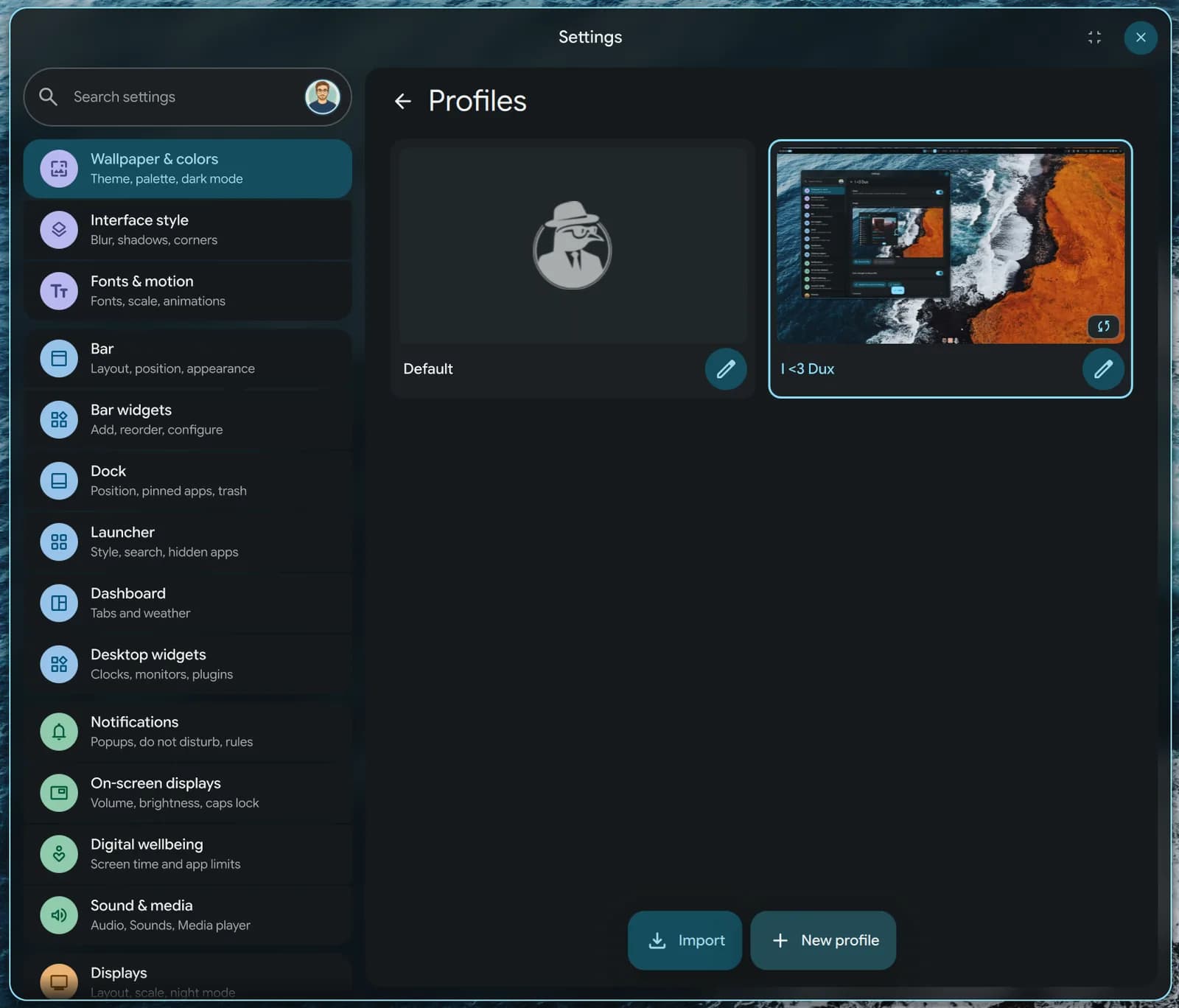
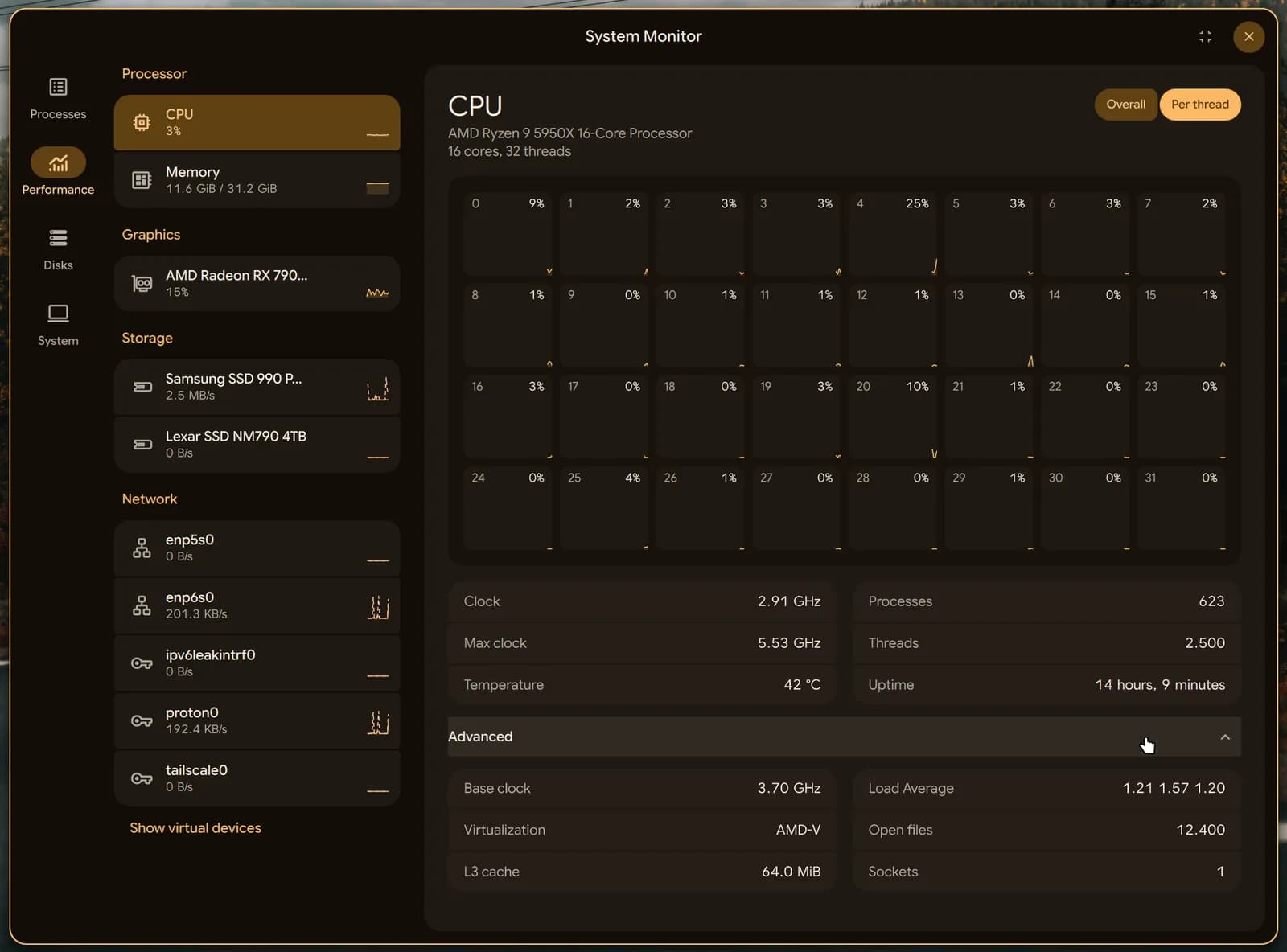
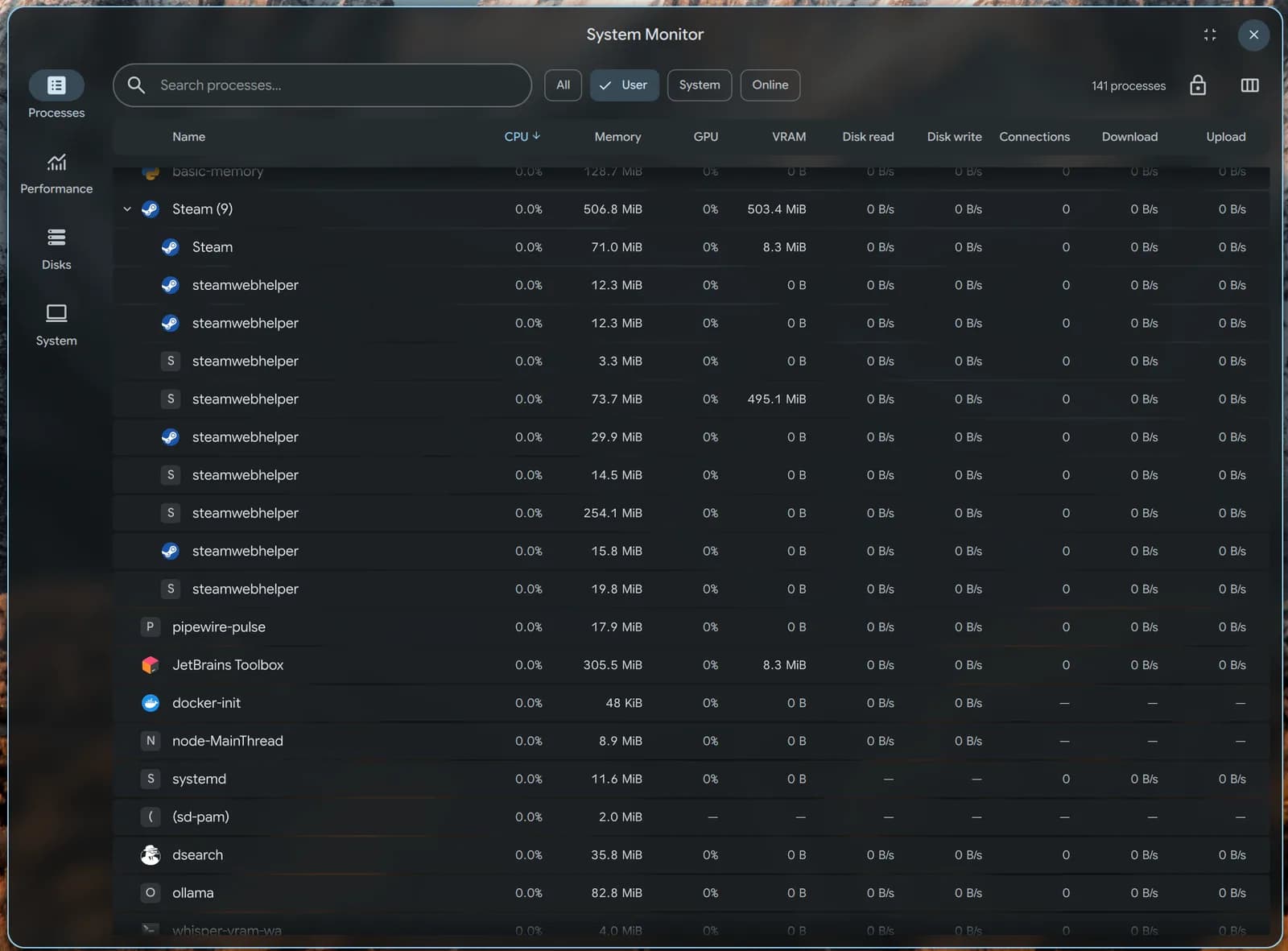
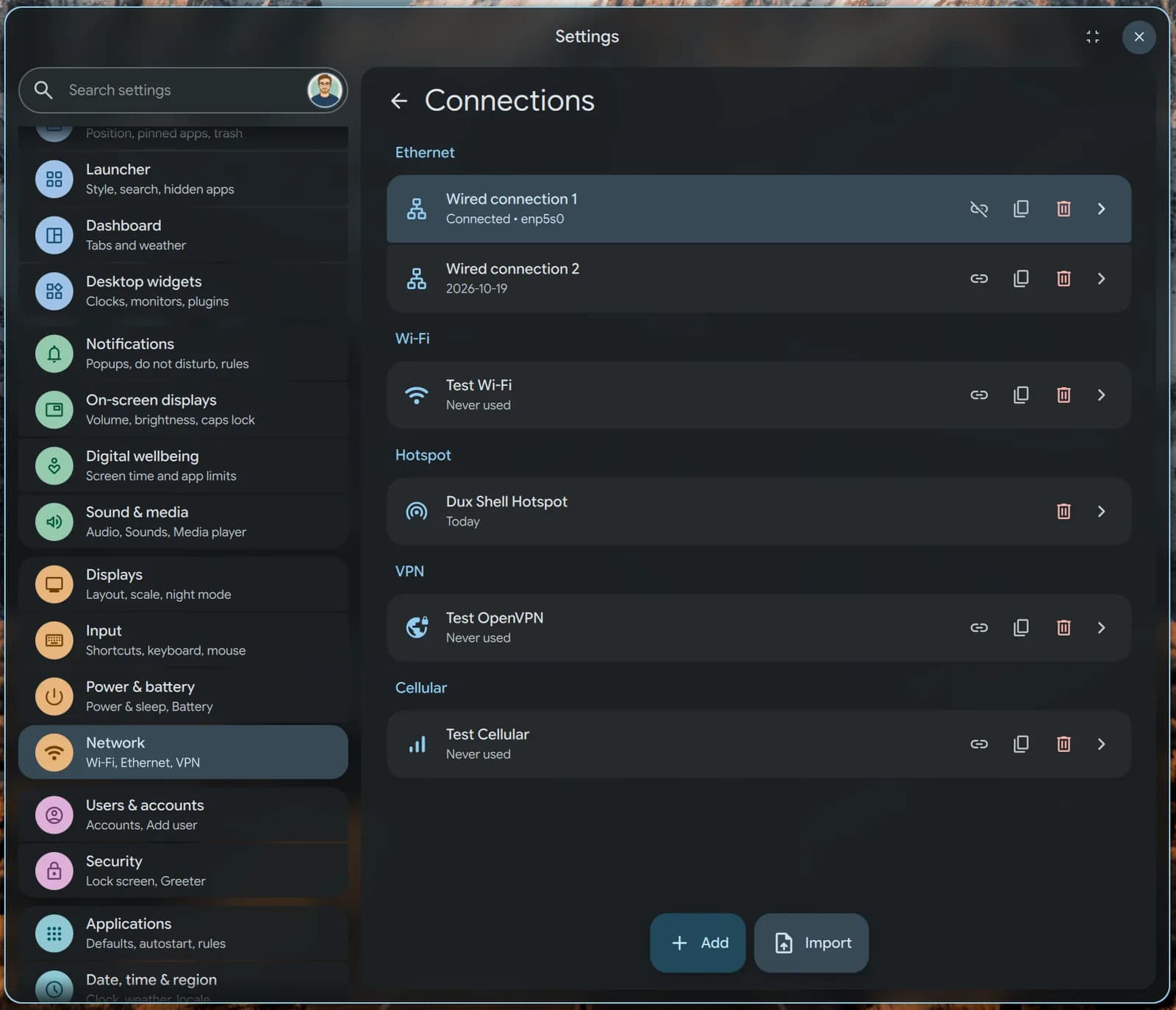
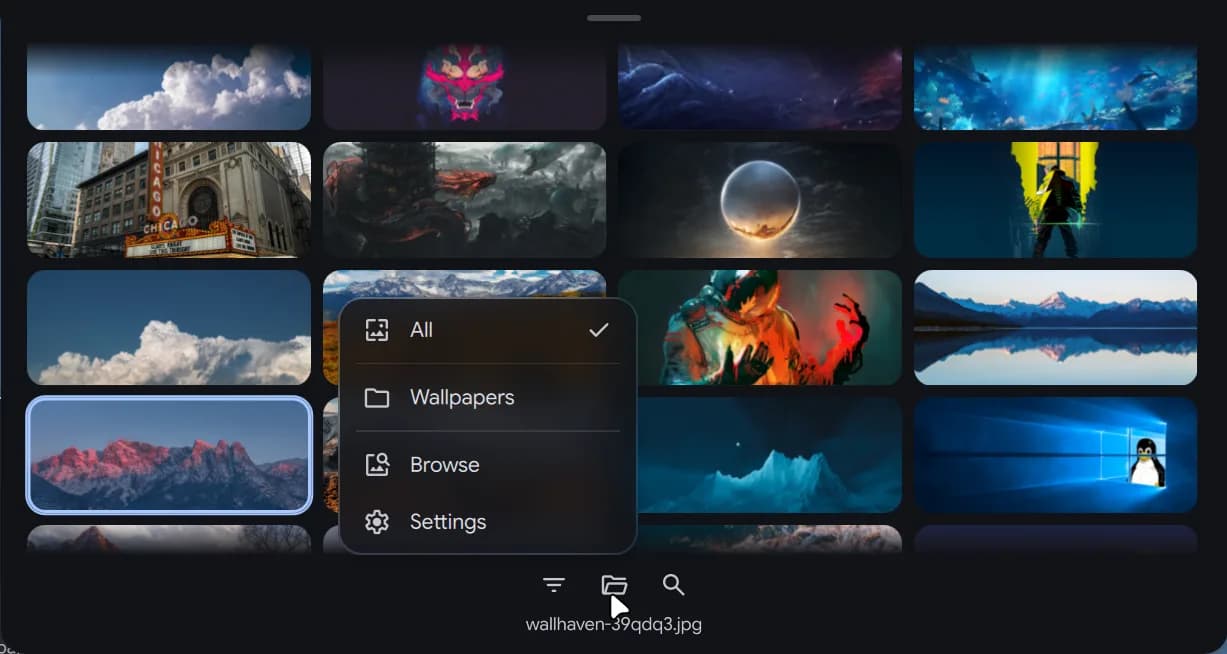
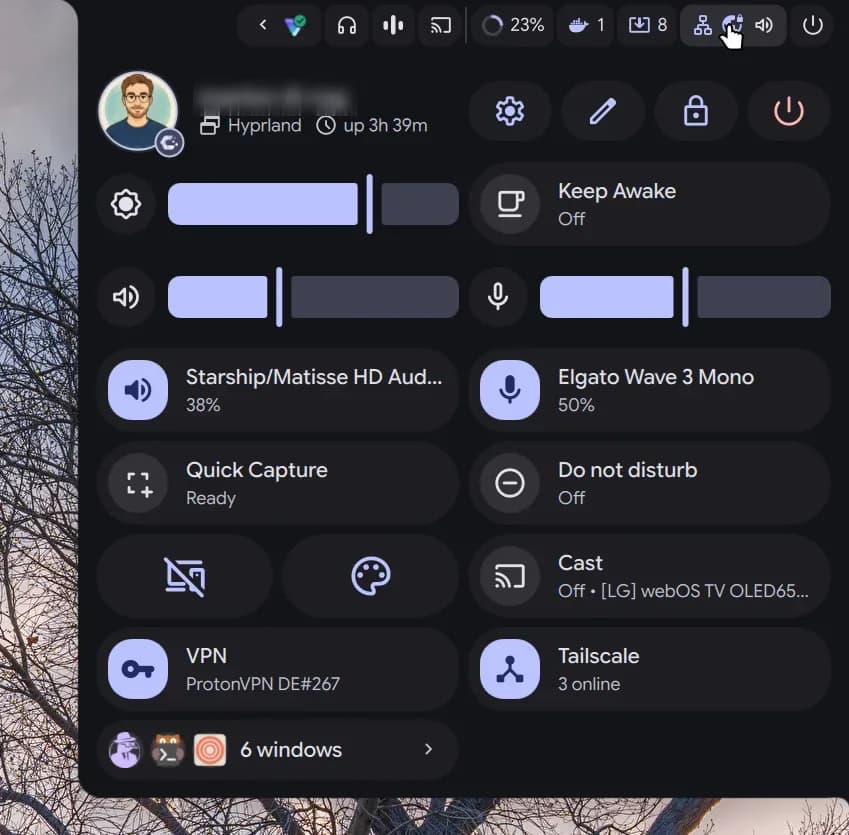
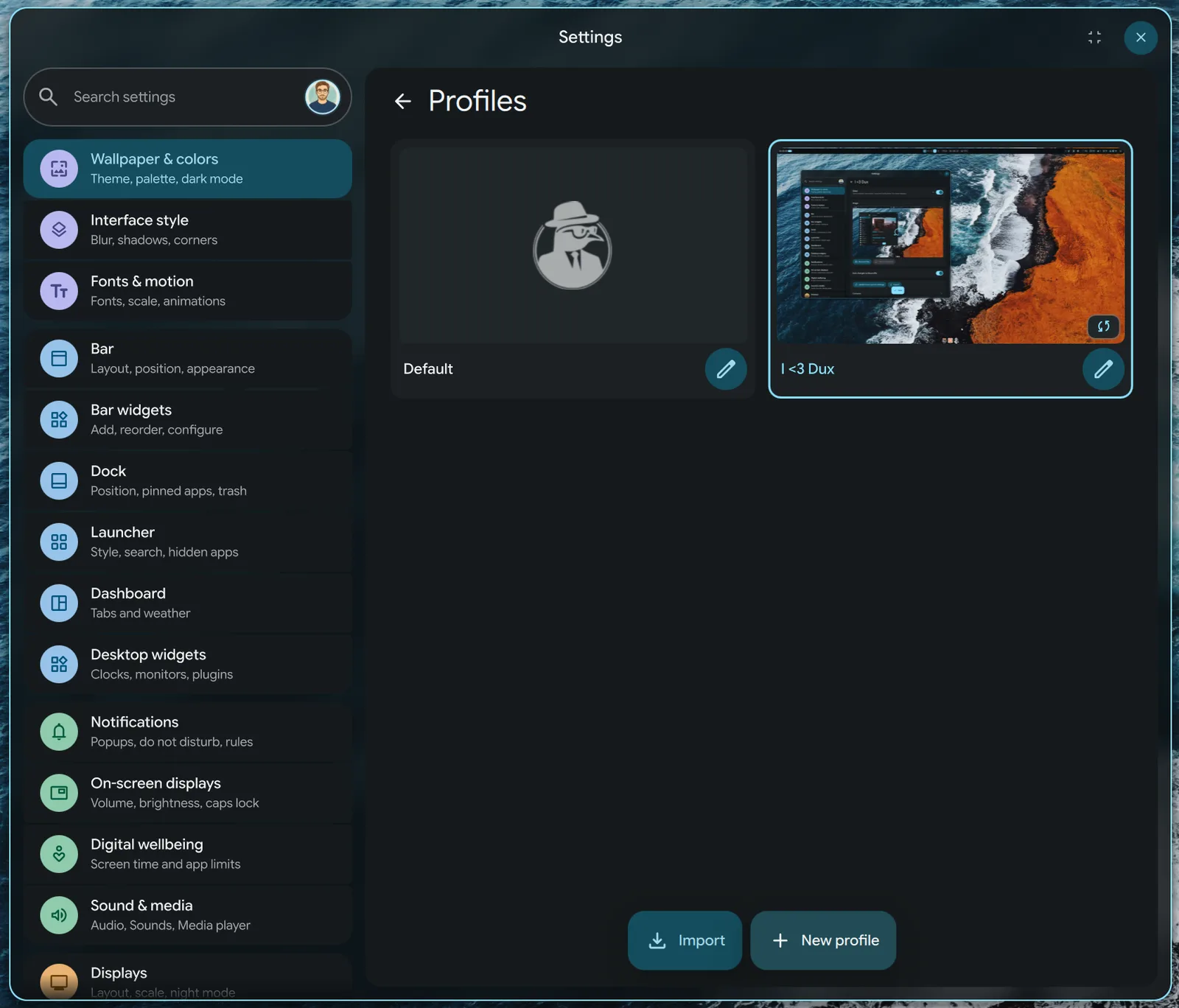
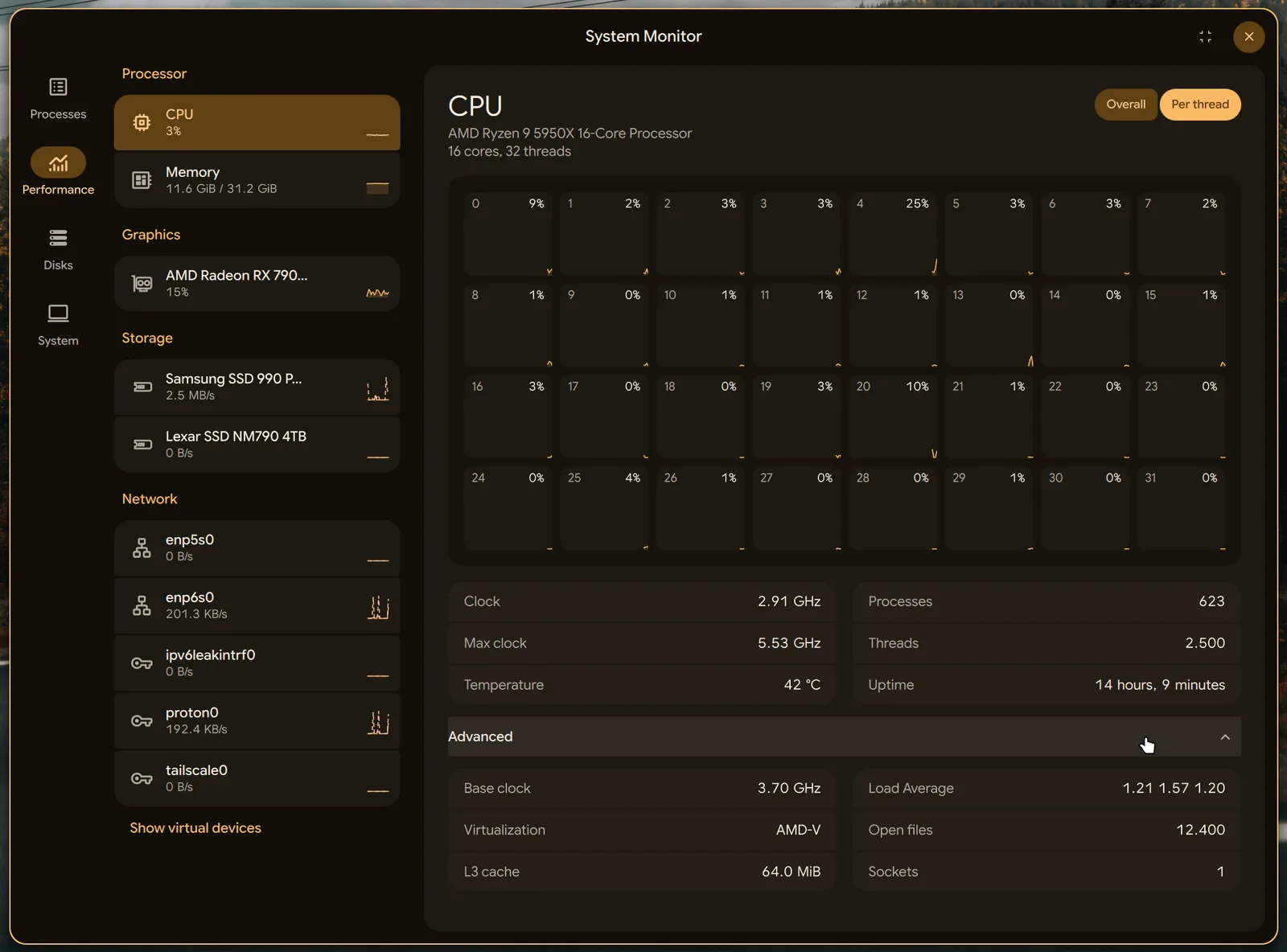
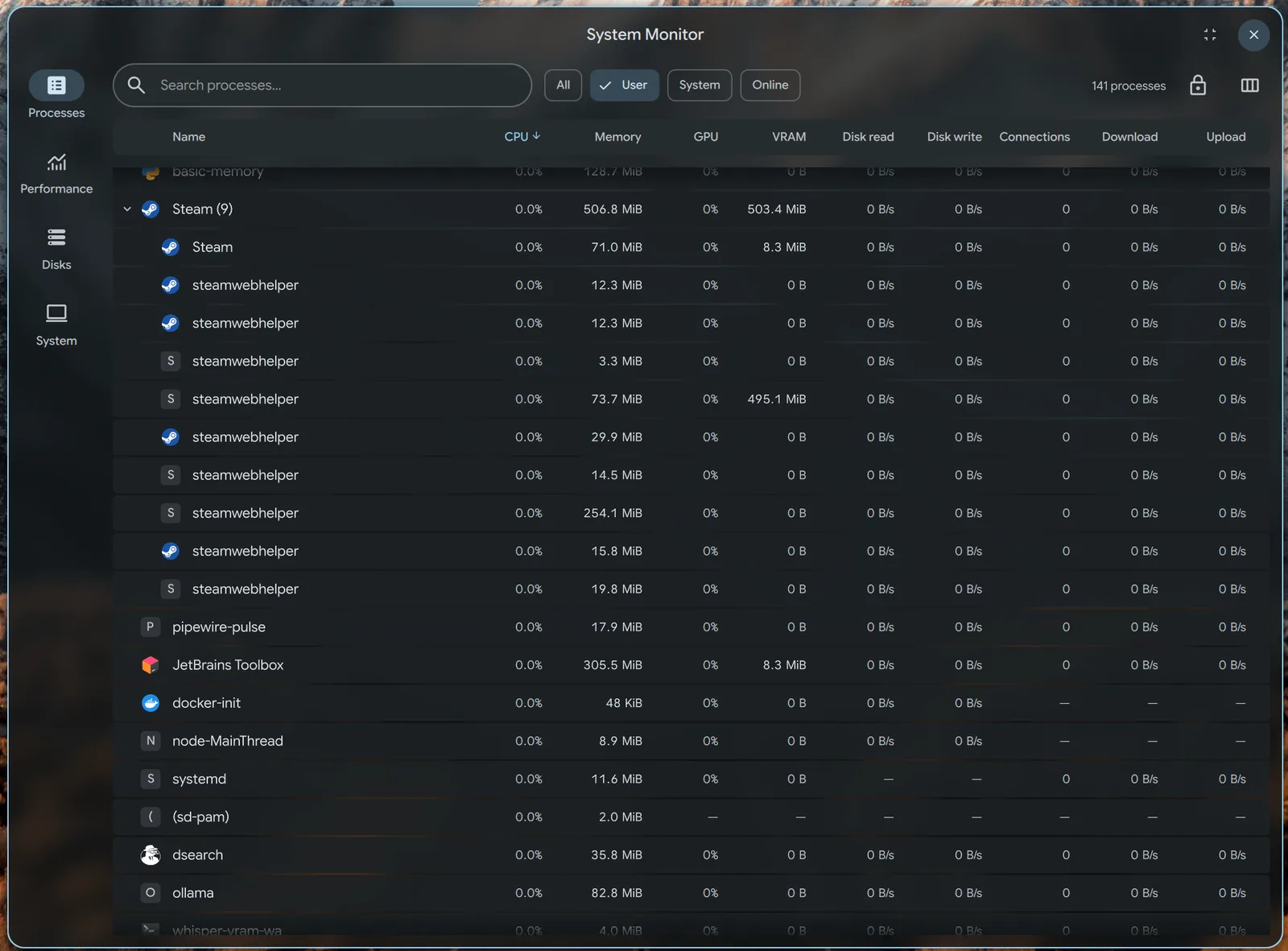
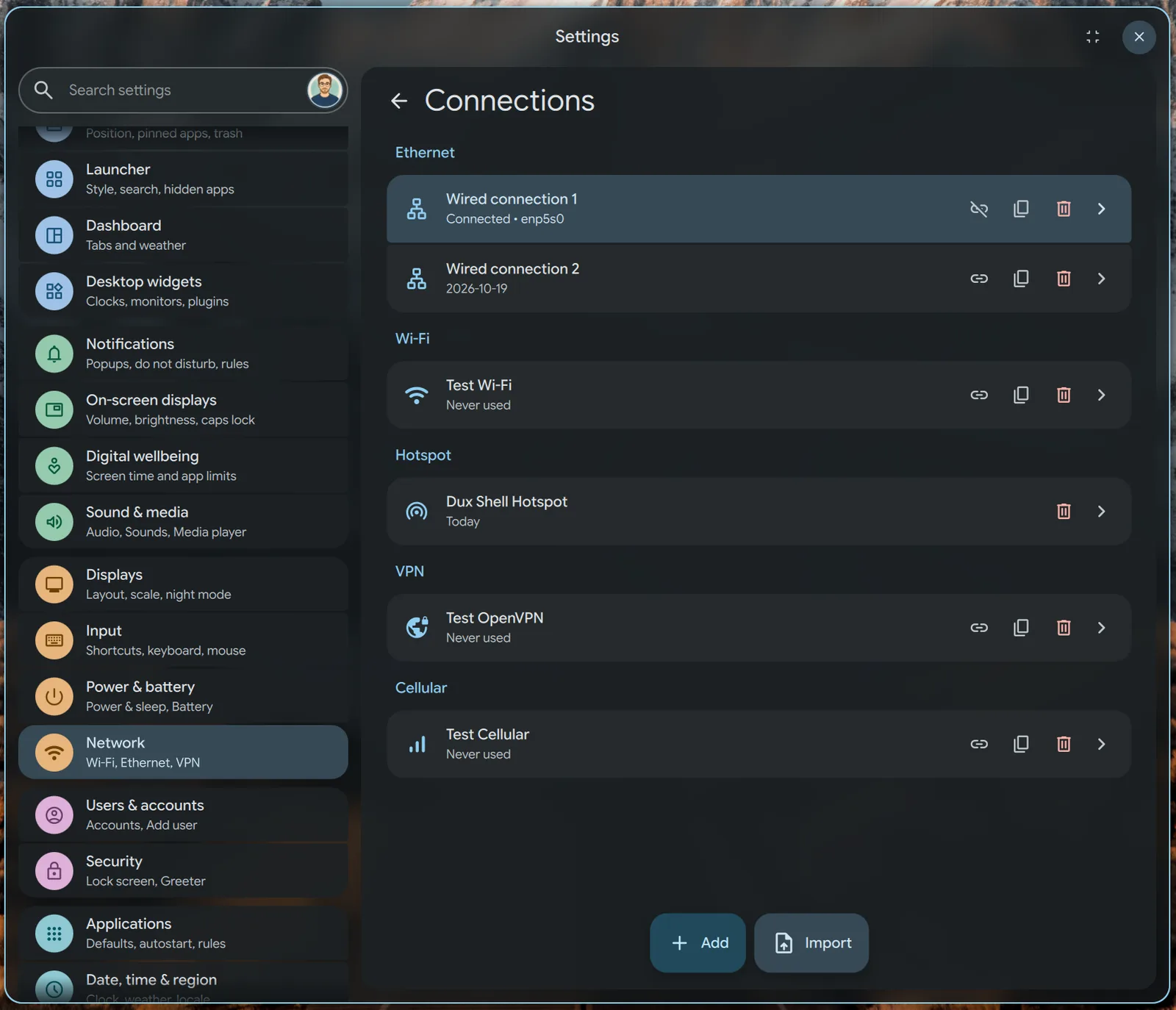
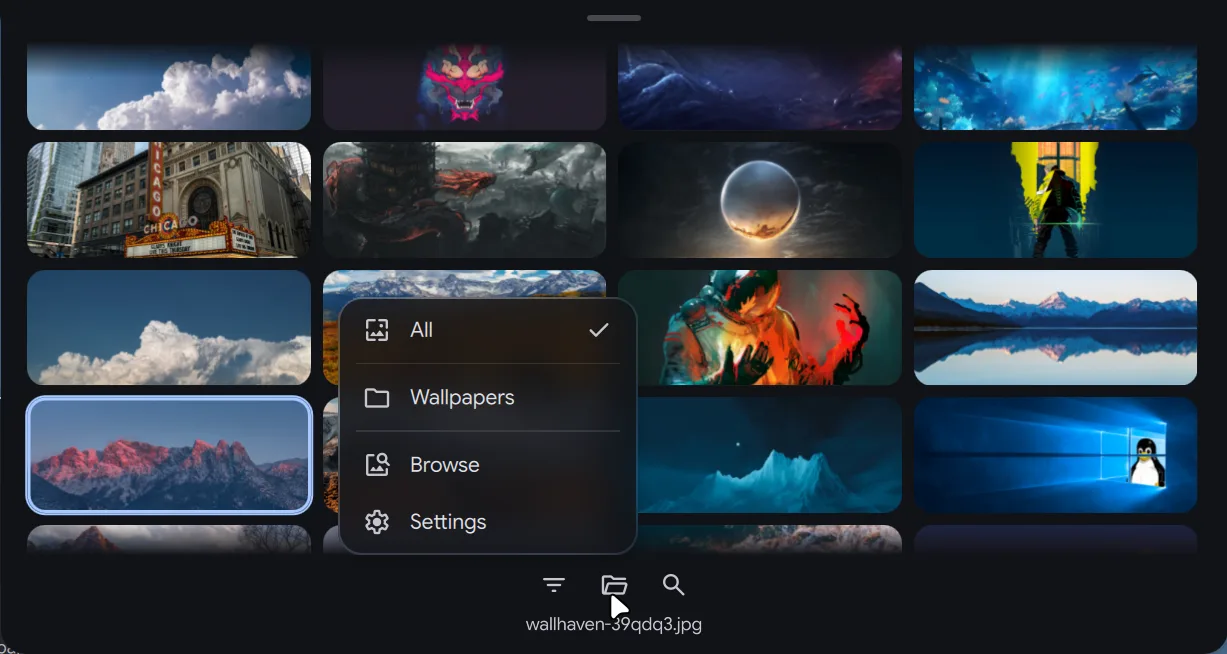
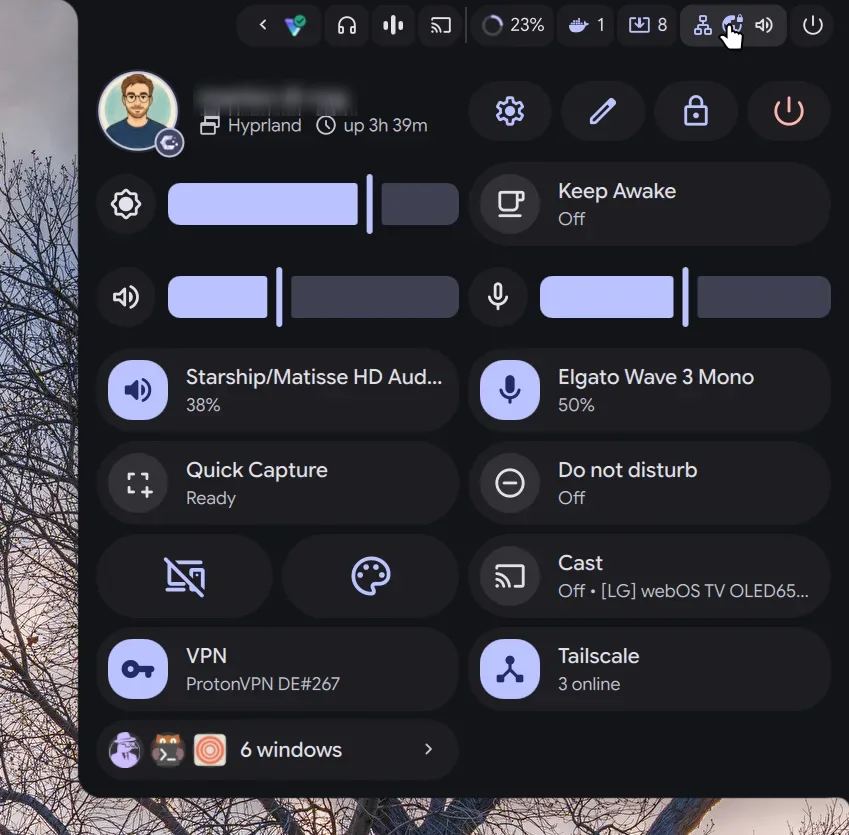
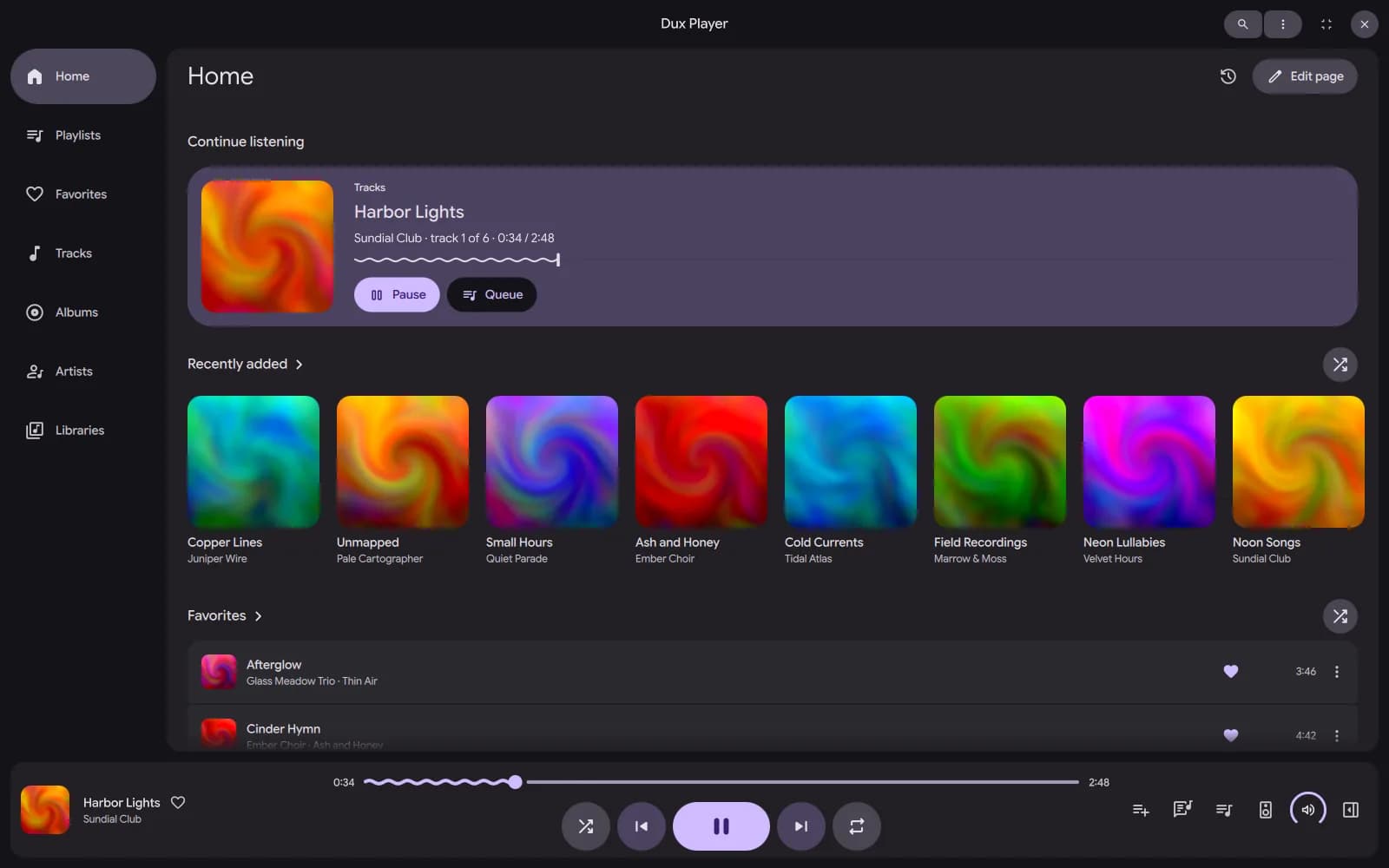
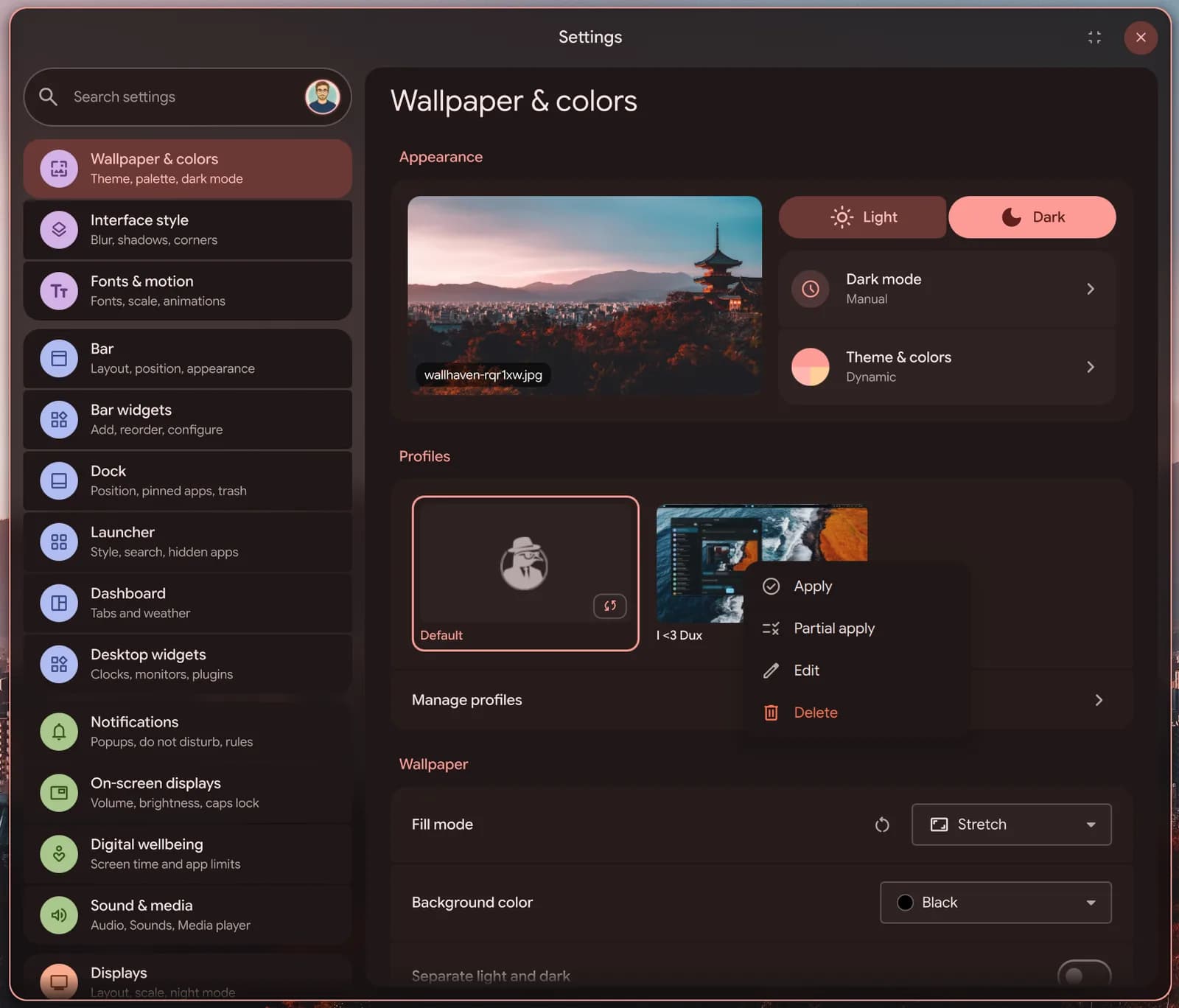
Dux is a desktop shell for Wayland compositors, written in Go and QML on Quickshell. I'm a contributor: I build larger features, fix bugs, investigate issues, help users and take part in design discussions. I also build plugins and apps for it, among them a music player. 110 merged pull requests in 7 repositories, 17 open.

Synced
| Repository | Open | Merged |
|---|---|---|
| dux-shell | 6 | 71 |
A Claude Code plugin that takes an idea to merge-ready code: a brainstorm, a test-driven plan, parallel implementation in git worktrees with a review for each task, documentation and a security review. Hooks block destructive commands, so the stages run without prompts.
Manual approval gates after the spec and the plan, and a final gate before the merge. The rest runs on its own.
The planner gives every task its own files and orders the tasks in waves by dependency, so agents implement a wave in parallel git worktrees without merge conflicts.
Every task gets its own review. Blocking findings go back to the implementer, and if fixes keep failing, the debugger and then the planner step in.
Security hooks deny destructive commands and reads of secrets and ask before risky ones, which lets a run go unattended.
I use it daily on my own projects.
Idea
/devline and one sentence about the feature.
Route
devline reads the request and decides which stages the change needs.
Brainstorm Manual approval gate
Asks about anything unclear and writes a short spec.
Design
Several looks to choose from, then a design system the code follows.
Plan Manual approval gate
Plans the whole implementation before any code is written: tasks, their tests, and waves that run in parallel.
Implement
One implementer per task, test first. A separate reviewer checks every task.
Docs
The docs-keeper updates the documentation to match the code.
Reviews
The extra reviews the route picked, such as a security scan and best practices.
Deep review
One last review of the whole branch, on Opus.
Final gate Manual approval gate
devline presents the result: merge, open a PR, or send it back.
also runs on its ownused in a devline run by default
Commands you type. The first group makes up a devline run.
In a devline run
devlinequick (also runs on its own)brainstorm (also runs on its own)design (also runs on its own)plan (also runs on its own)implement (also runs on its own)review (also runs on its own)deep-review (also runs on its own)debug (also runs on its own)git (also runs on its own)Outside the pipeline
writingdepsbrandgraphic-designhandoffsetupverify-setupThey do the work, each on the model that fits its job.
debuggerOpusfinds the root cause of a failuredependencySonnetupdates dependenciesdesignerOpuslooks and design systemsdocs-keeperSonnetkeeps the docs in step with the code (used in a devline run by default)implementerSonnetone task, test first (used in a devline run by default)plannerOpusthe plan and its waves (used in a devline run by default)reviewerSonnetreviews each task and the branch (used in a devline run by default)Passive skills the agents read while they work.
kb-tdd-workflowHow to test first, at the right levelimplementerplannerkb-engineeringChecklists for testing, reliability, security and performanceimplementerreviewerkb-blast-radiusWhich files a change can affect, and what it reachesplannerreviewerdevlinekb-dependency-managementHow each package manager updates and checks dependenciesdependencykb-m3eValues and rules for Material 3 Expressivedesignerreviewerfind-docsCurrent library docs instead of memorydebuggerimplementerplannerreviewerThey check every command and file access before it runs, so auto-accept mode is safe enough.
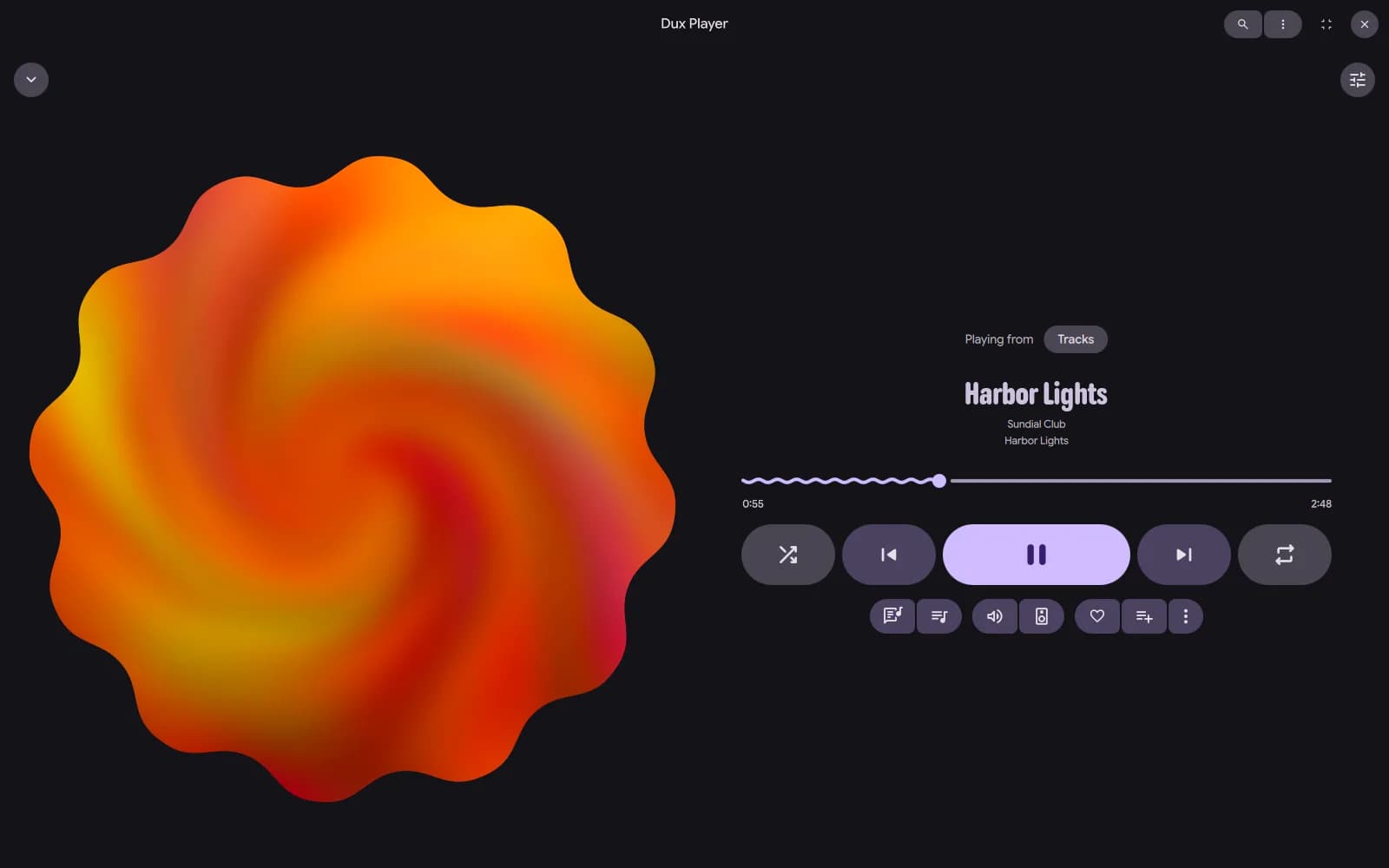
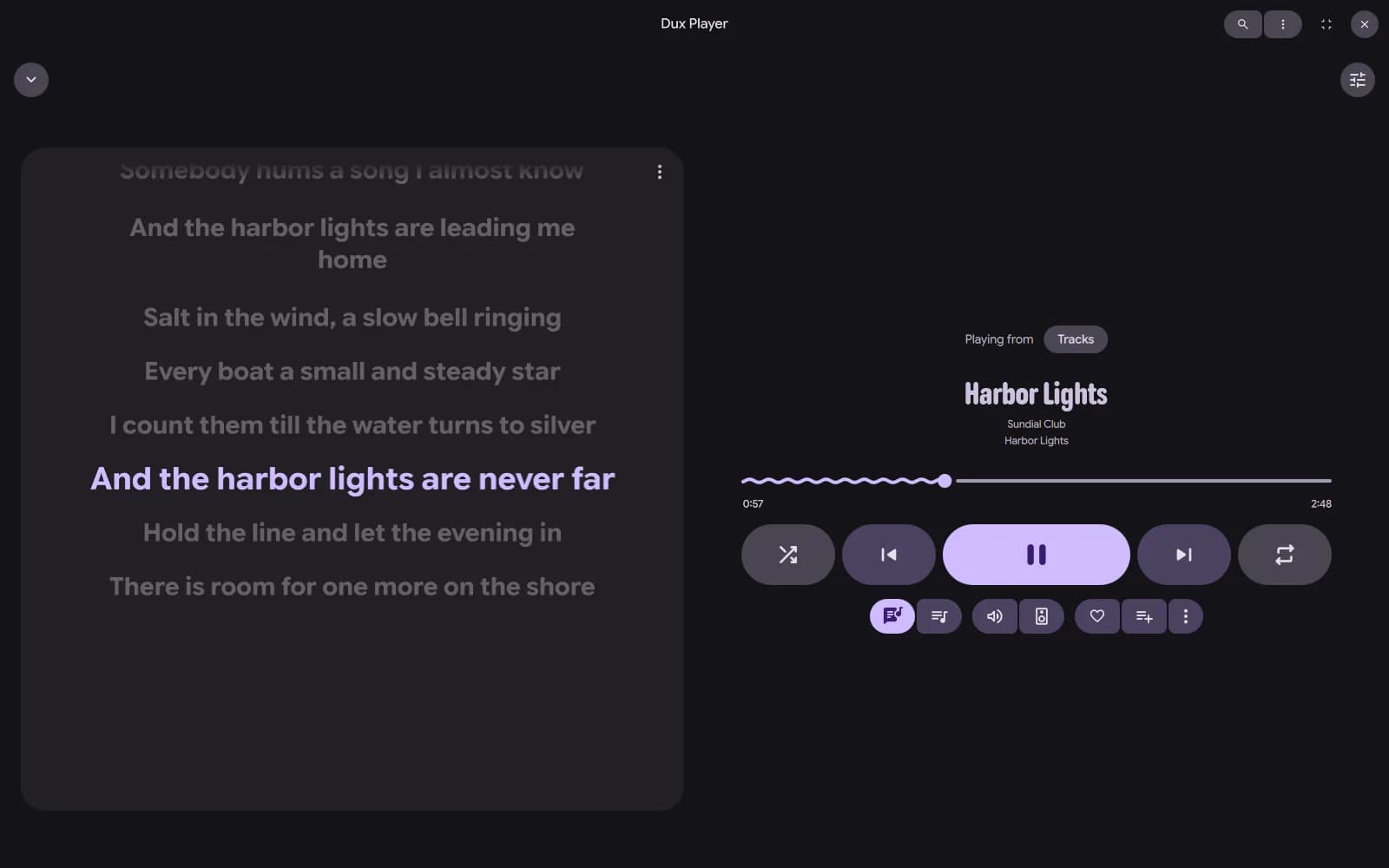
rm -rf ~Blockedcat ~/.ssh/id_ed25519BlockedRead .envBlockedgit push --forceAsks firstnpm publishAsks firstgit statusRunsA music player for Linux in the style of Dux Shell: it runs natively in the shell, with its settings and theme, or standalone in any other shell. It plays local libraries and streams from Navidrome, Subsonic and Jellyfin servers. Lyrics are fetched automatically and matched to the song, their timing is aligned to the audio, and they fill in word by word. The bar, side panel and full view come in a Bento and a Material style, and it casts through dux-cast, the helper behind the Cast plugin. Still in alpha.
Built for Dux Shell, uses dux-cast.


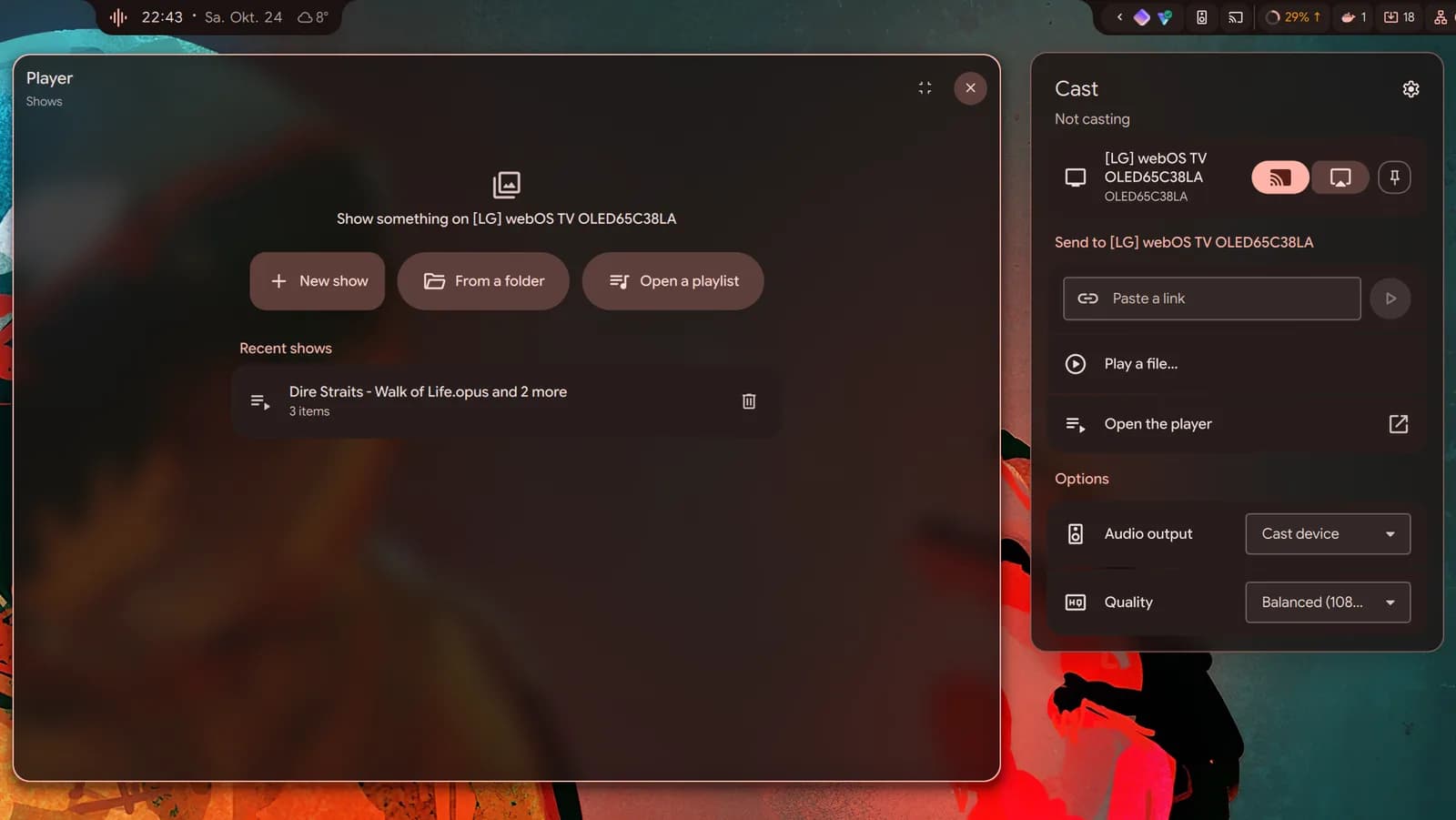
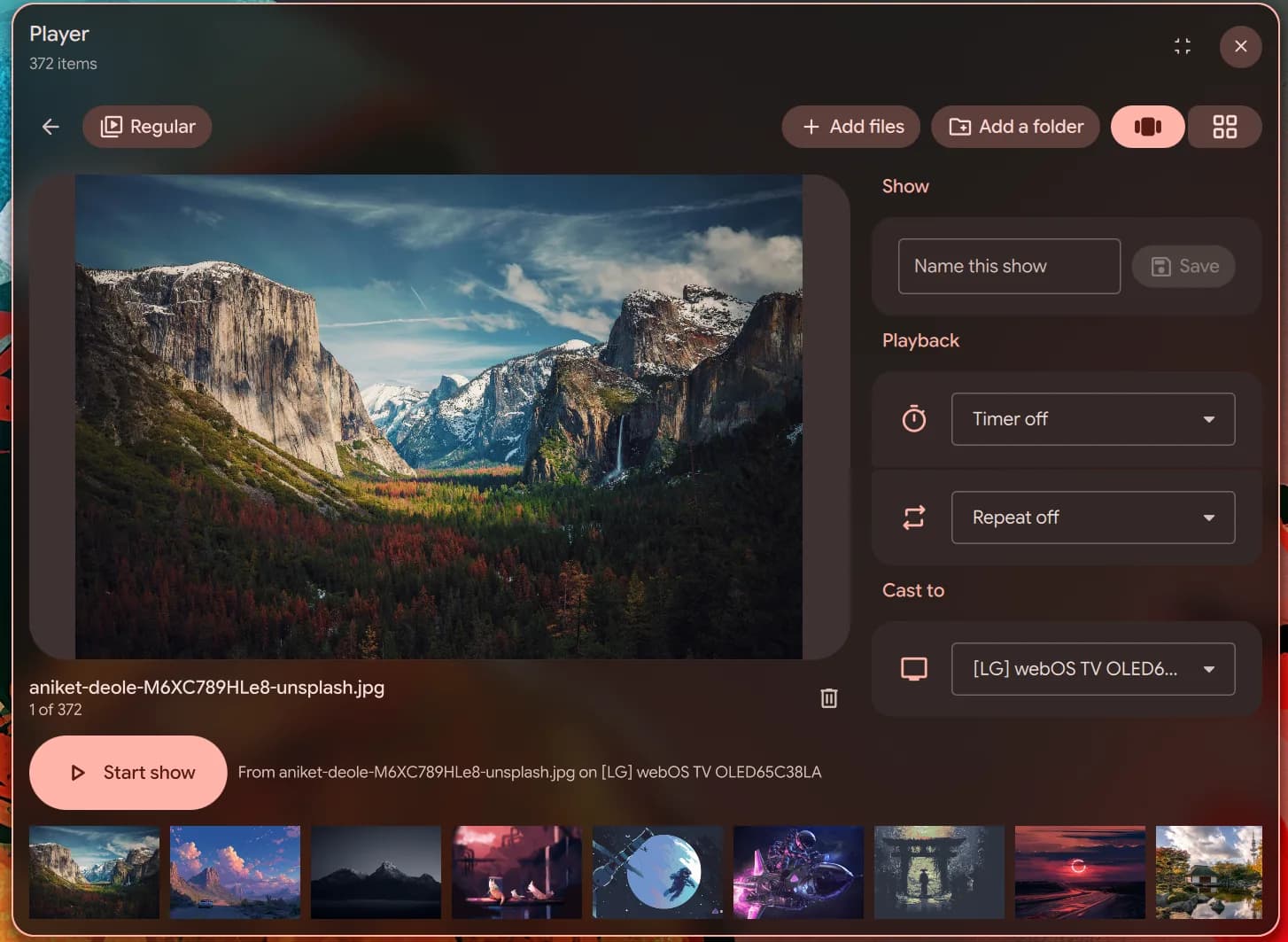
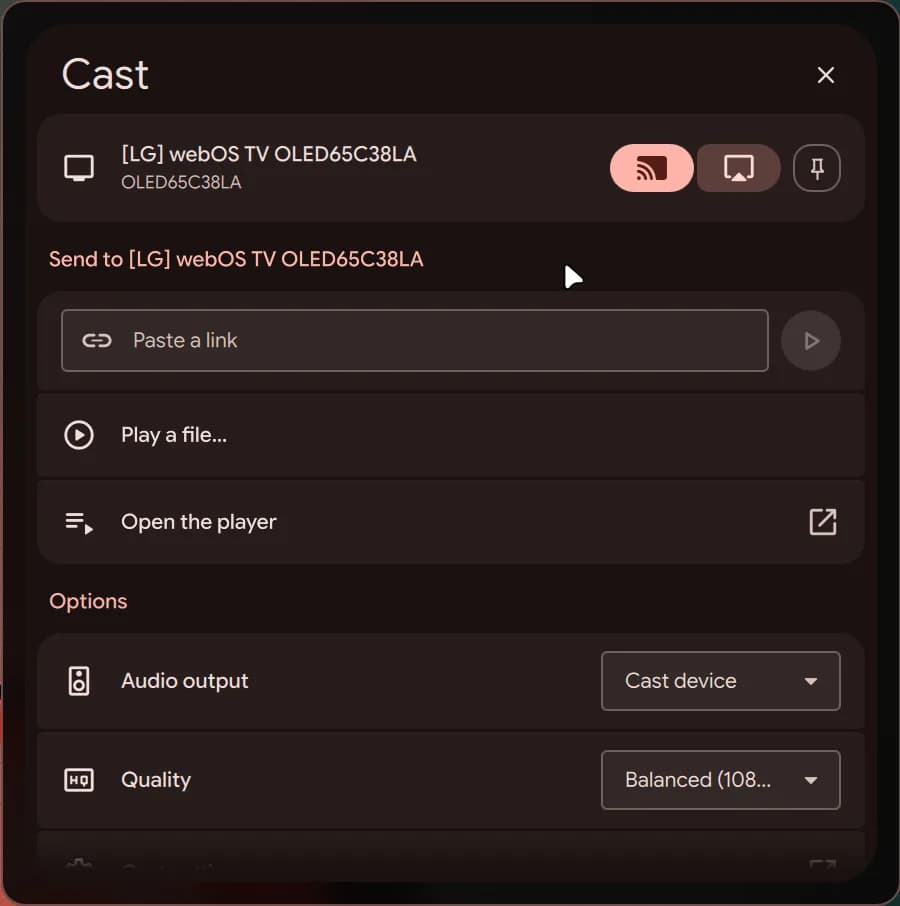
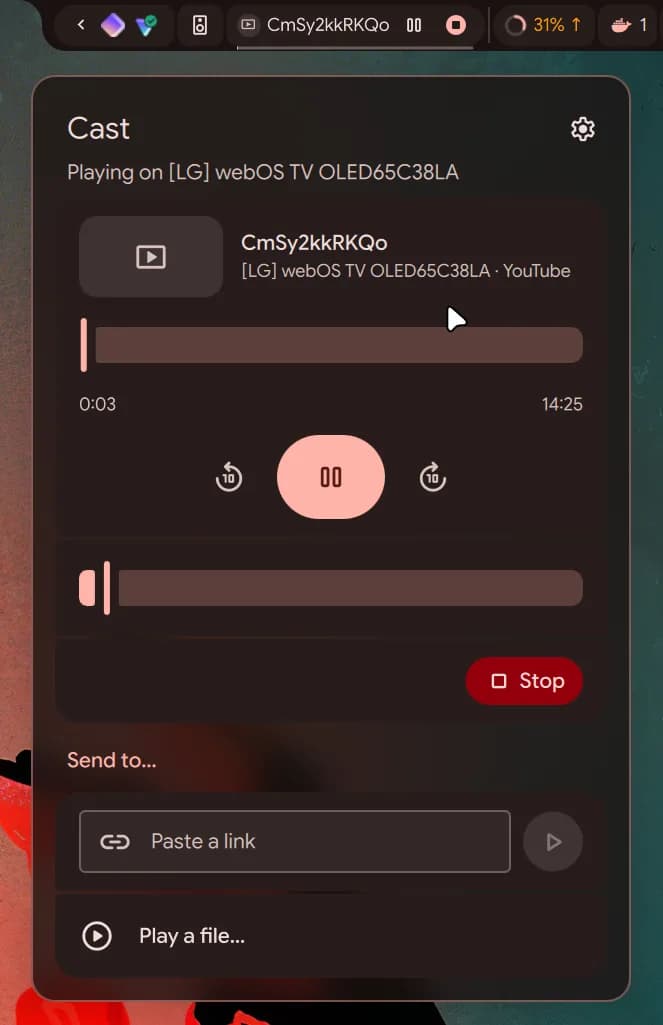
Plugins for Dux Shell. The Cast plugin mirrors the screen to Chromecast, Google TV and AirPlay devices and plays files, music, playlists and slideshows. Its device handling is dux-cast, a helper program that Dux Player casts through as well.
Built for Dux Shell, uses dux-cast.


The helper program behind the Cast plugin and behind casting in Dux Player. It casts the screen, files, music and links, and other applications can use it as well.
Used by Dux Player and Dux Plugins
A modular chess platform with a JavaFX client, Chess 960 and a TCP server for online games with accounts and matchmaking.
Why it mattered When I moved the client from Swing to JavaFX in March 2026, the rewrite touched only the client module. Engine and server stayed as they were.
This site: four designs (Ink, Trace, Flow and Type) over the same typed content in English and German, and a BPMNscript playground that runs the language server and compiler in the browser.
A scripting language for the JVM that I built to learn how interpreters work: an ANTLR4 grammar and a tree-walking interpreter in Java, with classes, methods and lists.
A Linux VPS and a Raspberry Pi at home that I set up and run myself: Docker, Traefik, my own DNS, a mesh VPN between all my devices, backups and monitoring.